The Climate Reality Project is Churning Out Climate Change Leaders
Want to get involved? Free Leadership Training with Al Gore on April 12-14.
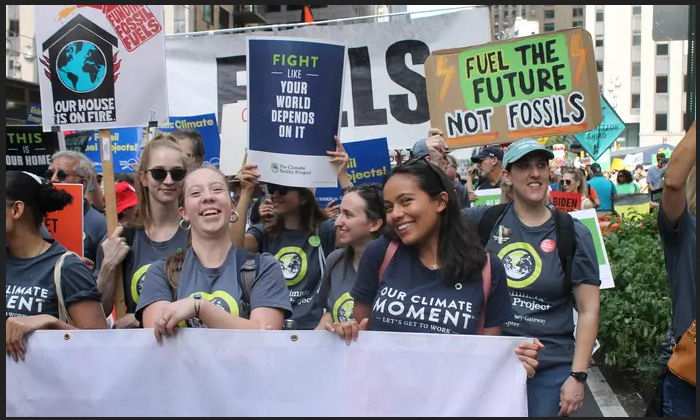
Want to get involved? Free Leadership Training with Al Gore on April 12-14.
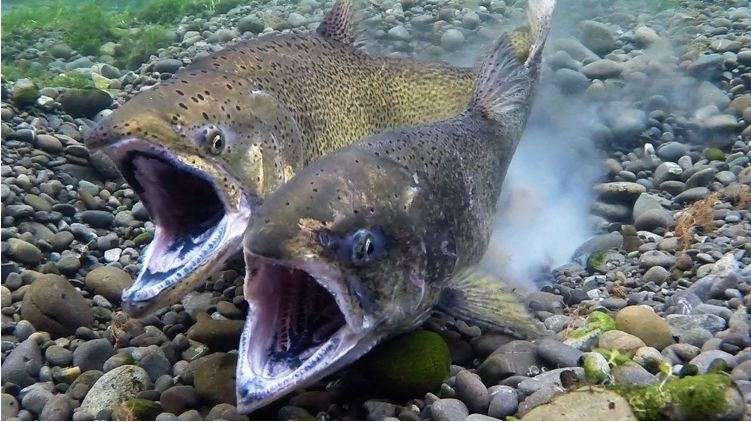
Dams coming down across America give testament to humanity's ability to right wrongs and restore nature. Ecosystems often prove to be highly resilient - if we …
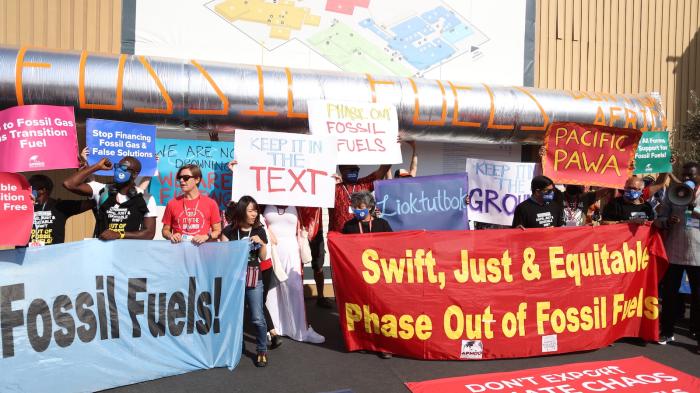
It's hard to believe that COP27, the annual international climate conference, ended without commitments to phase out fossil fuels.

Really? Replacing the US Postal Service fleet with gas guzzlers? Congress finally got a deal for USPS to immediately by EVs for 70% of the postal fleet; 100% …
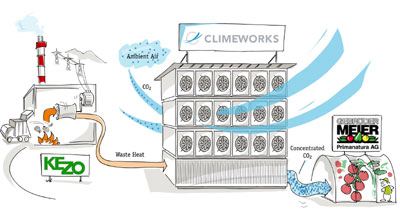
A silver lining of this pandemic is that many people are switching to more fulfilling Green careers.
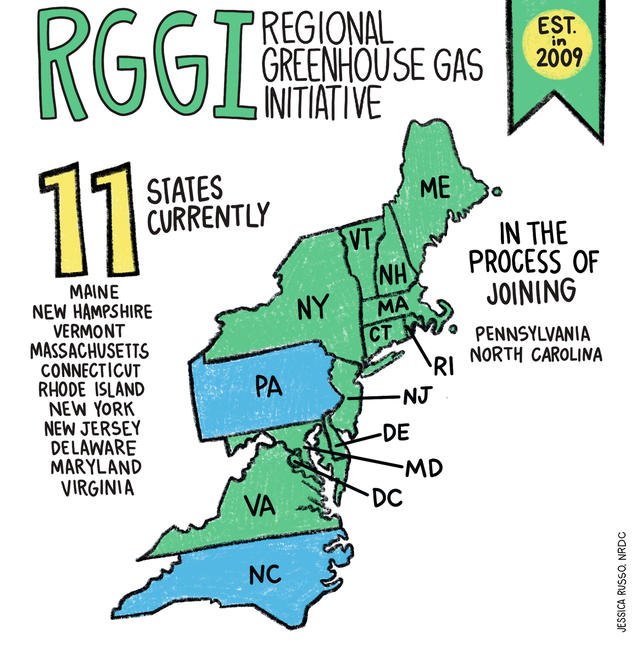
Virginia's new governor is Trump in sheep's clothing, immediately moves to undue environmental

Earth is Talking. Earth is dishing out tough love. When will humans actually

After slogging through four years of Trump’s incessant attacks on our environment, I heave a huge sigh of relief as Biden begins to reverse the damage. It's …
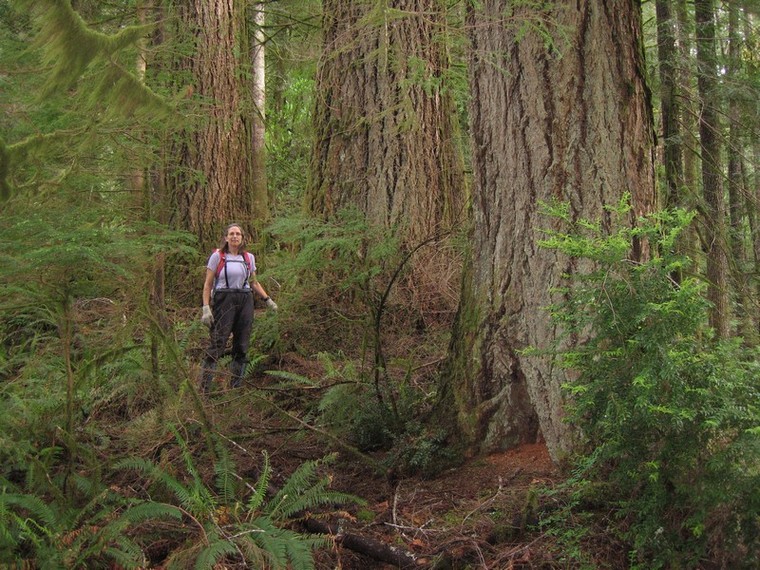
In a rare bipartisan moment, especially for our environment, the Senate passed the largest public lands bill in a decade by 92-8! There's a lot to love in …
 Loading...